Trial Started: 2005
Year of Trial: 2005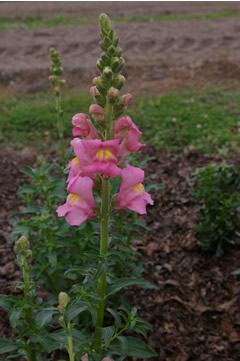
Good Qualities
Great color (3); Good stem length; Easy to grow; Thick stems, bloomed over a month - held up well in heat (85 degrees); Bloomed much earlier than my usual 'Spring Giants'; Continued to bloom in spite of hot, dry weather; Very productive, good recovery after hot summer.Problems
Color less than striking- a rather muted pink (2); Became infected with powdery mildew, so probably would have gotten more stems otherwise; Pinched them - wouldn't do this again; Prefer central great stem and the auxillaries seem better then also; Bloomed at about 8 inches before croaking - apparently don't like weeks of 90F+ - this was not the summer to try winter types in the field in summer; Stems somewhat short.Postharvest
Cool water - Chrysal #2Trial Data
| Yield (stems/plant)¹ | Stem Length (inches)¹ | Market Appreciation Rating² | Repeat Again Rating² | Ease of Cultivation Rating² | Average Spacing (in2) | Average Postharvest Life (days) | |||
|---|---|---|---|---|---|---|---|---|---|
| Wholesale | Retail | Consumer | |||||||
| Average | 7.0 | 19.0 | 3.0 | 3.0 | 3.6 | 3.1 | 4.4 | 138 | 7.6 |
| Range of Responses | 3-9.5 | 14-24 | 3.0 | 3.0 | 3-5 | 1-5 | 4-5 | 36-432 | 7-8.5 |
¹Data shown are from those respondents who harvested stems. Some respondents may not have harvested stems because they were too short. Flowering stems may be longer next year after plants are established. See comments section for more details.
²1 to 5 scale, with 5 being the best. Market ratings are based on sales to wholesalers, retailers, or final consumers direct.

Comments
Similar to many cultivars including 'Rocket', 'Spring Giant', etc.; General comments on trial (Zone 5, applied to all snaps varieties trialed): Trial grown outdoors on green plastic mulch (Solar mulch), trickle irrigation, 4 rows on a 9 x 9 inch spacing, one layer of Hortinova netting put up shortly after transplanting, season was hot most of the summer, but moderated into the fall, and did not frost until late October - during the summer heat, all varieties stopped producing flower heads, but the Group II varieties resumed production in mid- September, yielding about one third of their total production then.