Trial Started: 2005
Year of Trial: First (from 2005 report)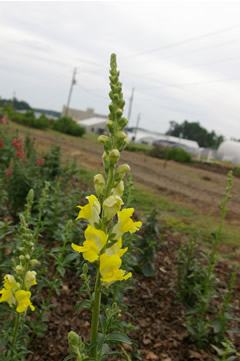
Good Qualities
Strong yellow color (4)- not a solid yellow though- really a yellow/white bicolor; Very productive (2); Bloomed forever! 5-6 weeks in warm, dry weather, bloomed early; Pinched June 1 prior to transplant to field, greenhouse transplants - good strong growth prior to field transplant; Good recovery after hot summer.Problems
Pinched them - wouldn't do this again; Prefer central great stem and the auxillaries seem better then also; Needs support; Bloomed at about 8 inches before croaking - apparently don't like weeks of 90F+ - this was not the summer to try winter types in the field in summer; Good stem length, but space between florets too large.Trial Data
| Yield (stems/plant)¹ | Stem Length (inches)¹ | Market Appreciation Rating² | Repeat Again Rating² | Ease of Cultivation Rating² | Average Spacing (in2) | Average Postharvest Life (days) | |||
|---|---|---|---|---|---|---|---|---|---|
| Wholesale | Retail | Consumer | |||||||
| Average | 8.3 | 18.3 | 3.0 | 3.7 | 3.6 | 3.4 | 4.4 | 142 | 7.5 |
| Range of Responses | 6-14 | 15-20 | 3.0 | 3-4 | 3-4 | 3-4 | 2-5 | 48-432 | 7-8.5 |
¹Data shown are from those respondents who harvested stems. Some respondents may not have harvested stems because they were too short. Flowering stems maybe longer next year after plants are established. See the comments section for more details.
²1 to 5 scale, with 5 being the best. Market ratings are based on sales to wholesalers, retailers, or final consumers direct.

Comments
We harvested from these plants till September 15 (Zone 2); General comments on trial (Zone 5, applied to all snaps varieties trialed): Trial grown outdoors on green plastic mulch (Solar mulch), trickle irrigation, 4 rows on a 9 x 9-inch spacing, one layer of Hortinova netting put up shortly after transplanting, season was hot most of the summer, but moderated into the fall, and did not frost until late October - during the summer heat, all varieties stopped producing flower heads, but the Group II varieties resumed production in mid September, yielding about one third of their total production then.